Polignano A Mare Boat Tour
Visitor Guide

What to See in Polignano a Mare

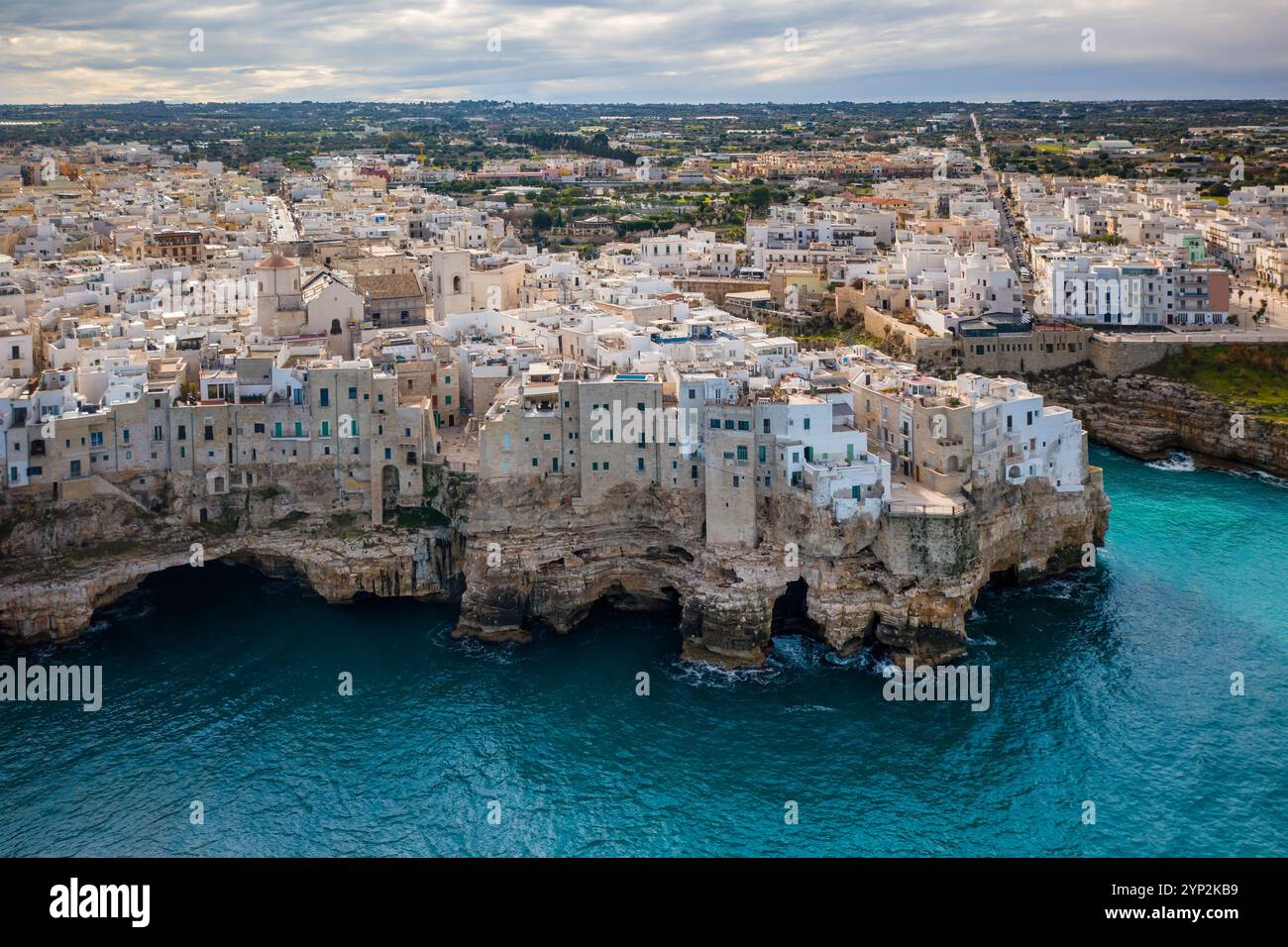
Polignano a Mare is a whitewashed town balanced on limestone cliffs above the Adriatic, threaded with sea caves and terraces that open straight onto the water. This what to see in polignano a mare guide sets out what is open, what it costs, and when the streets are calm enough to actually see it.

10 min read Updated 2026-08-24 Fact-checked
What to See in Polignano a Mare

Quick answer

Everything central is free: entrance to the historic centre and seafront viewpoints costs 0 EUR, with access open 00:00–23:59, seven days a week. There are no gates and no closing time. The practical constraint is crowding, not hours — arrive between 07:00 and 09:30 for the best light and fewer people, particularly across the summer months.

The town's most photographed balcony sits on a cliff roughly 20 metres above the sea, and it has never charged a cent — the whole centro storico is public street. That single fact reshapes the usual planning question. Anyone researching what to see in polignano a mare is not comparing entry tiers or timed slots; they are managing daylight, footfall and heat across an open-air site that never technically closes. The geography explains why. Polignano a Mare grew on a limestone headland riddled with grottoes, and the medieval quarter was built tight against the drop, with the Arco Marchesale as its landward gate and Piazza Vittorio Emanuele II as its hinge. Lanes are narrow, whitewashed and short. Terraces punctuate them at irregular intervals, each one framing a different angle of the Adriatic and the caves below. The result is a place best understood as a single continuous walk rather than a checklist — a compact circuit of Polignano a Mare landmarks that most visitors complete in under two hours at an unhurried pace, then repeat because the light has changed. Address-wise, there is no ticket office to find: the subject of this guide is the historic centre and seafront viewpoints, Polignano a Mare, BA, Italy. Free entry and 00:00–23:59 access mean the real decisions are about timing and sequence. Early mornings deliver low-angle sun on the east-facing cliffs and lanes empty enough to photograph; midday in August brings tour groups, glare and queues at the narrowest passages. Anyone searching cosa vedere a Polignano a Mare in Italian will find the same advice locals give — come early, or come late. Use this what to see in polignano a mare page as the frame, then go deeper in the sections built for it. Named beaches and monuments, specific viewpoints, a stop-by-stop route, seasonal timing, arrival logistics, local food and onward trips each have their own detailed breakdown further down. Sea conditions are the one variable no schedule controls: swell can close cave access and cliff steps at short notice, so check the water before committing to anything below street level.

“There are no gates and no closing time — the only real constraint is when you choose to arrive.”
What to see

What to See in Polignano a Mare: Landmarks, Coves, and Historic Gateways

The historic center of Polignano a Mare preserves medieval architecture, ancient entryways, and natural coastal formations. Exploring these key locations reveals the town's Roman heritage and cultural landmarks.

Lama Monachile

Lama Monachile

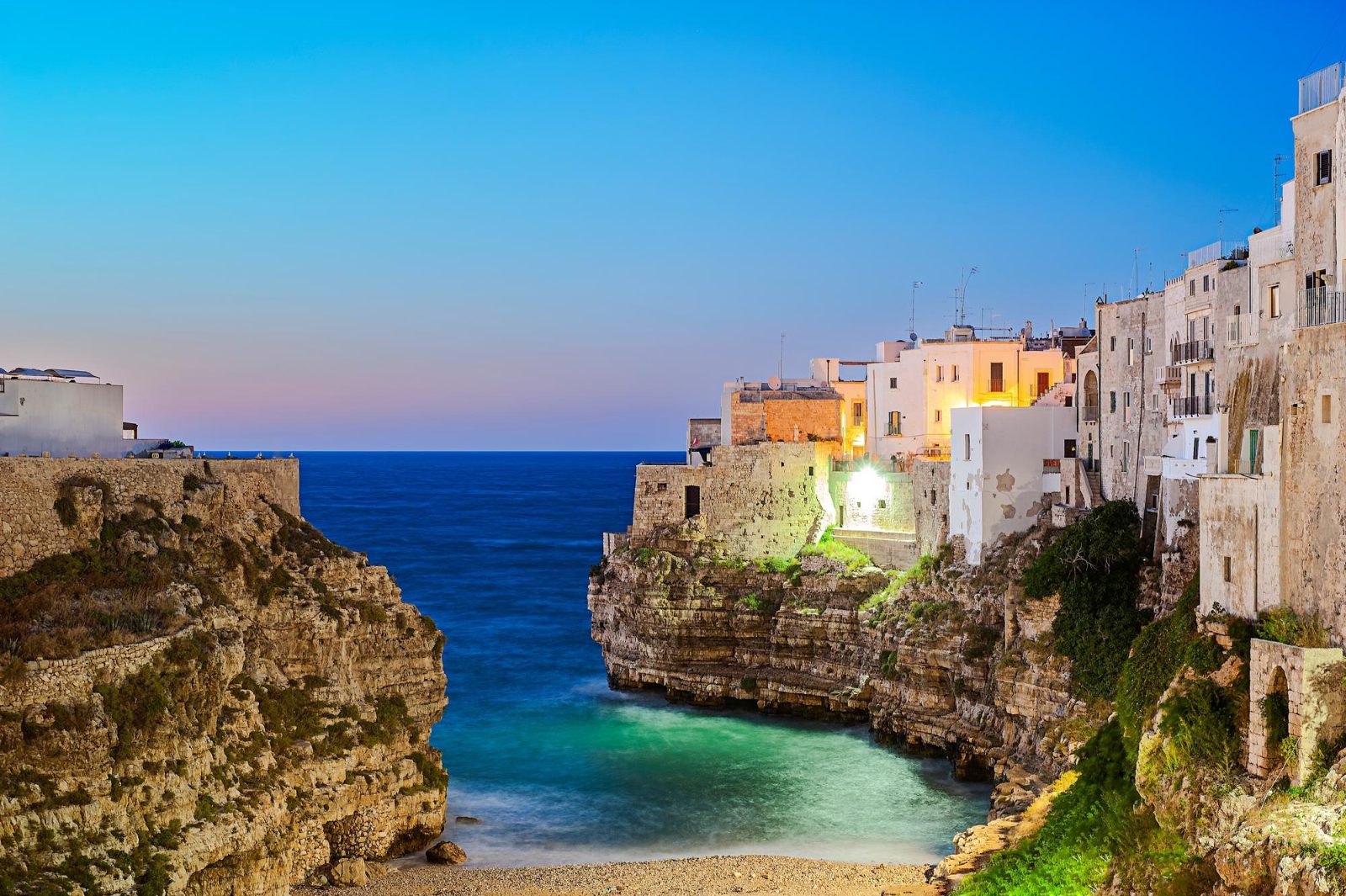
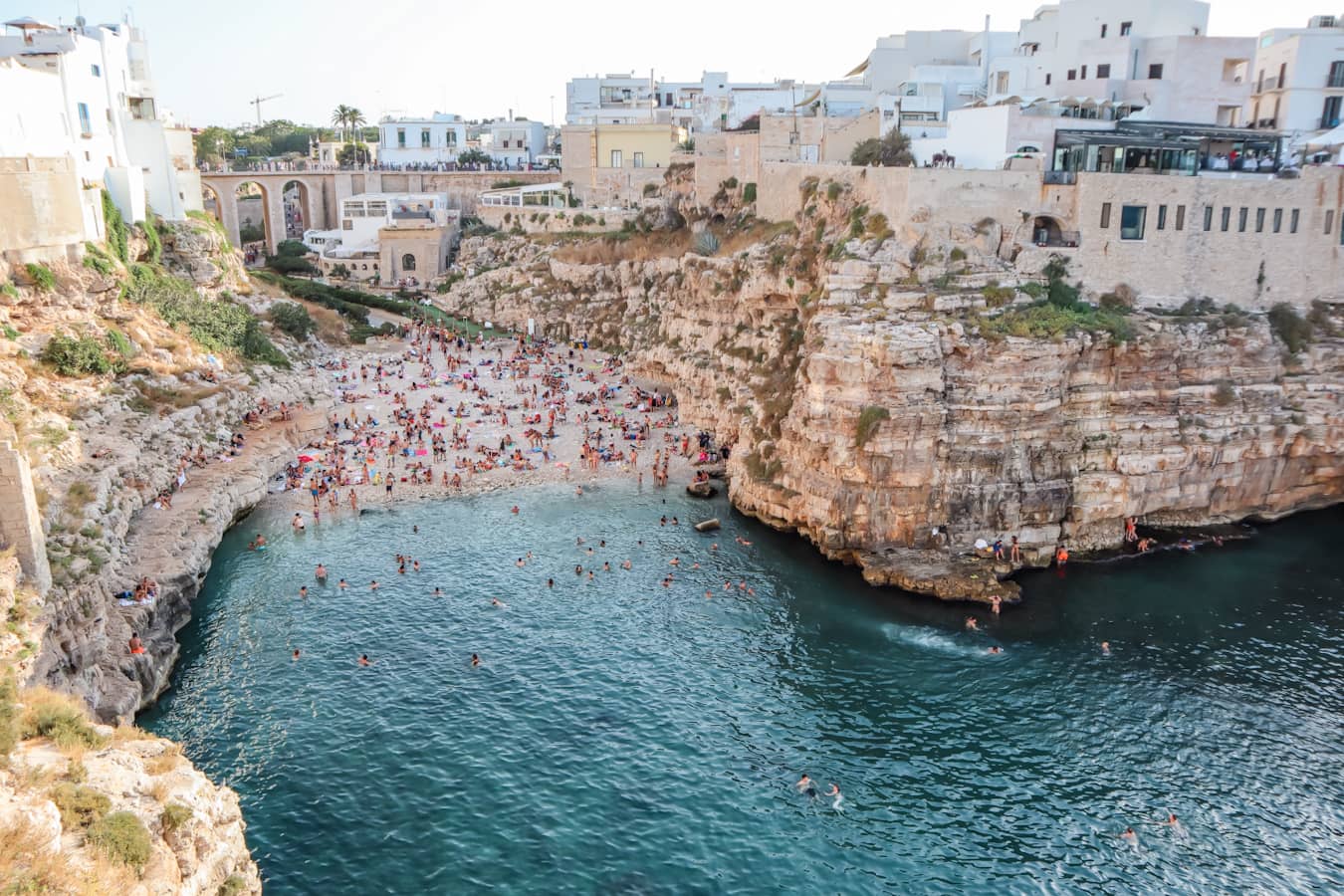
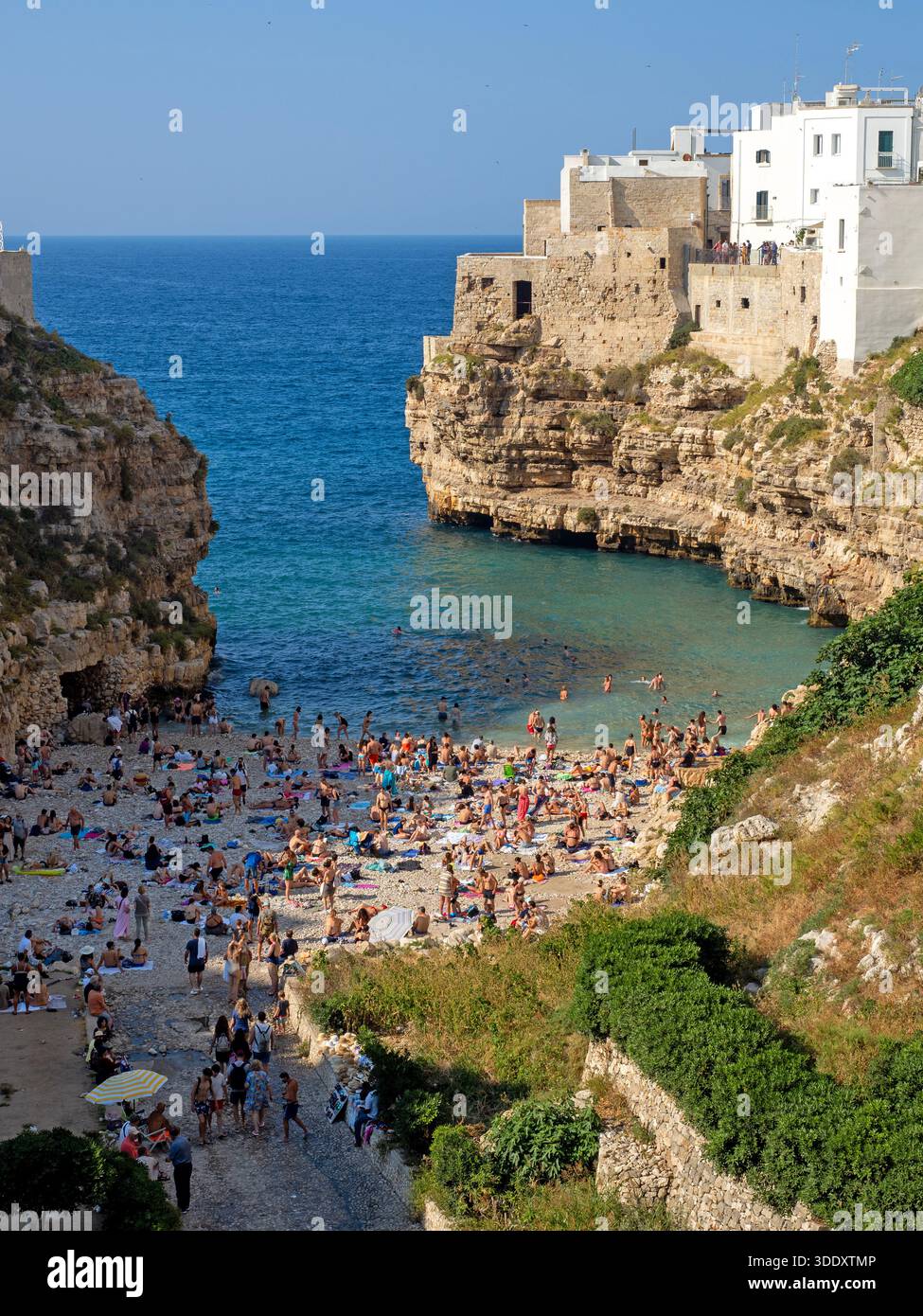
A narrow pebble beach set between high limestone cliffs, crossed by a Roman-era bridge on the Via Traiana. It serves as the town's most recognizable natural landmark, opening directly onto the clear Adriatic Sea.

Walk under the bridge to inspect the ancient Roman masonry.
Arco Marchesale

Arco Marchesale

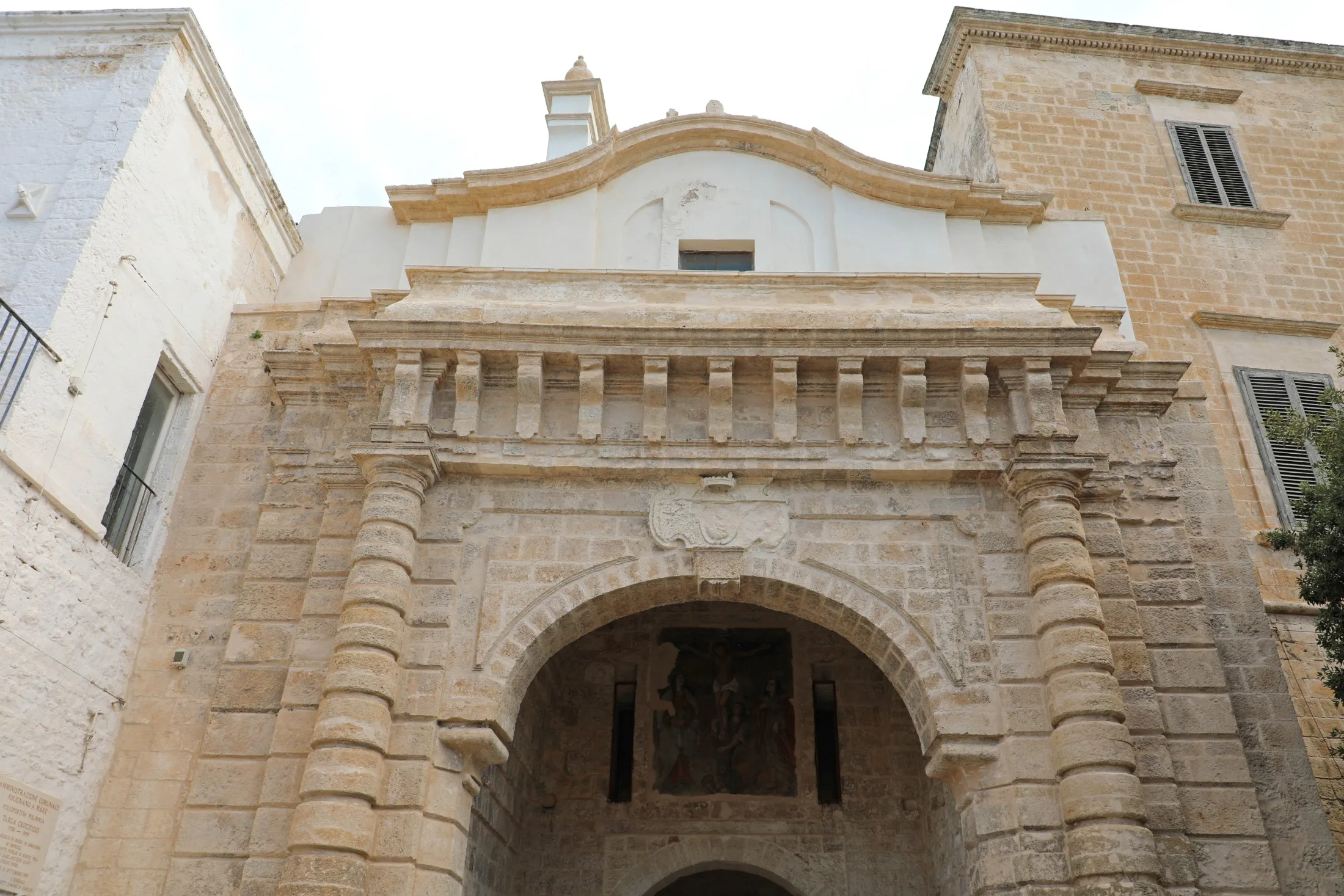
The medieval gateway, also known as Porta Grande, that served as the sole entry point to the historic center until the late 18th century. It features a late-16th-century canvas painting of the Crucifixion under its vault.

Look up inside the archway to spot the oil painting.

Domenico Modugno Statue

Domenico Modugno Statue

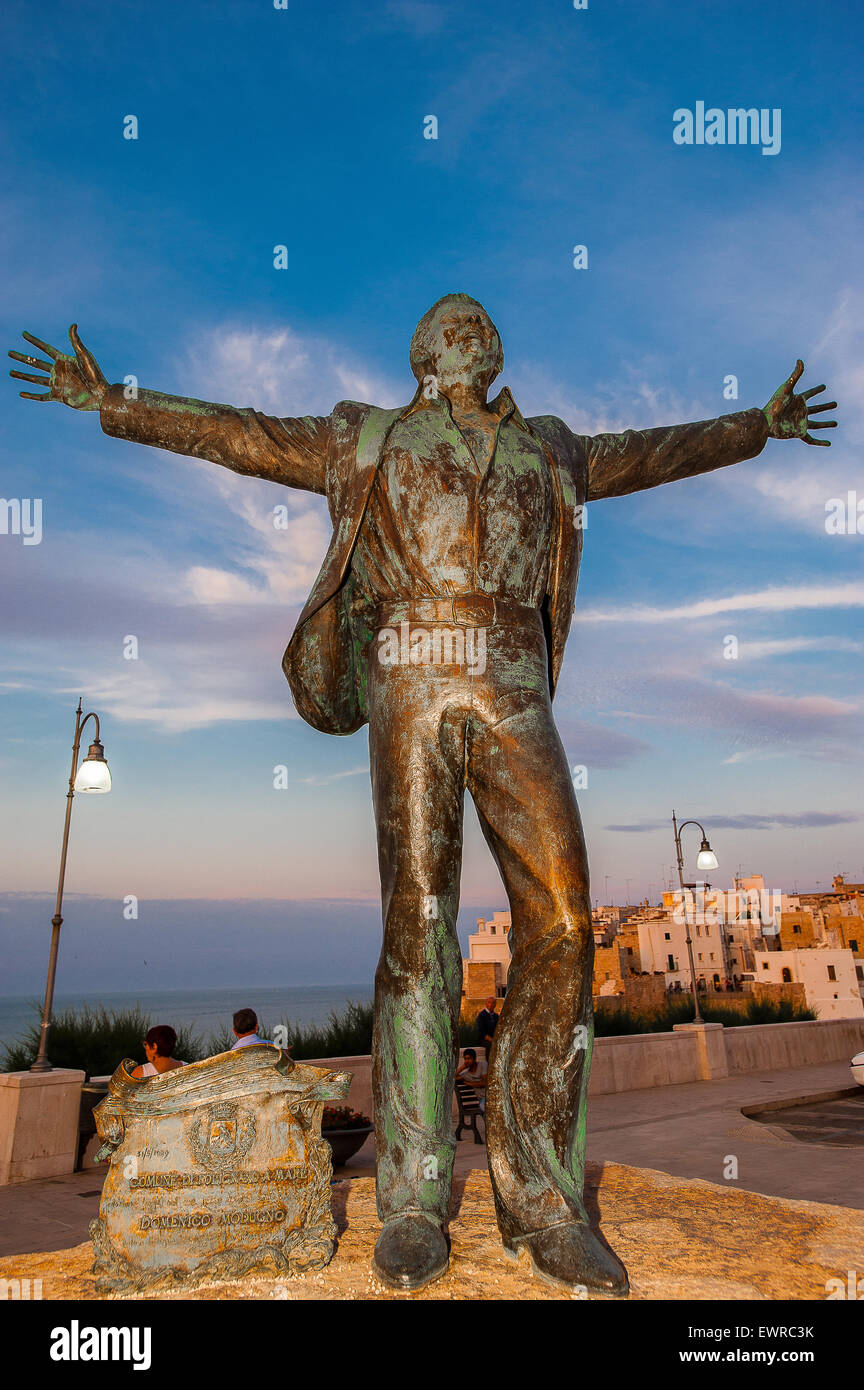
A three-meter-high bronze monument designed by Hermann Mejer to honor the singer of 'Nel blu, dipinto di blu'. The statue depicts him with arms outstretched, facing the sea and his birthplace.

Walk behind the sculpture to reach the flat stone terraces.

Chiesa Matrice di Santa Maria Assunta

Chiesa Matrice di Santa Maria Assunta

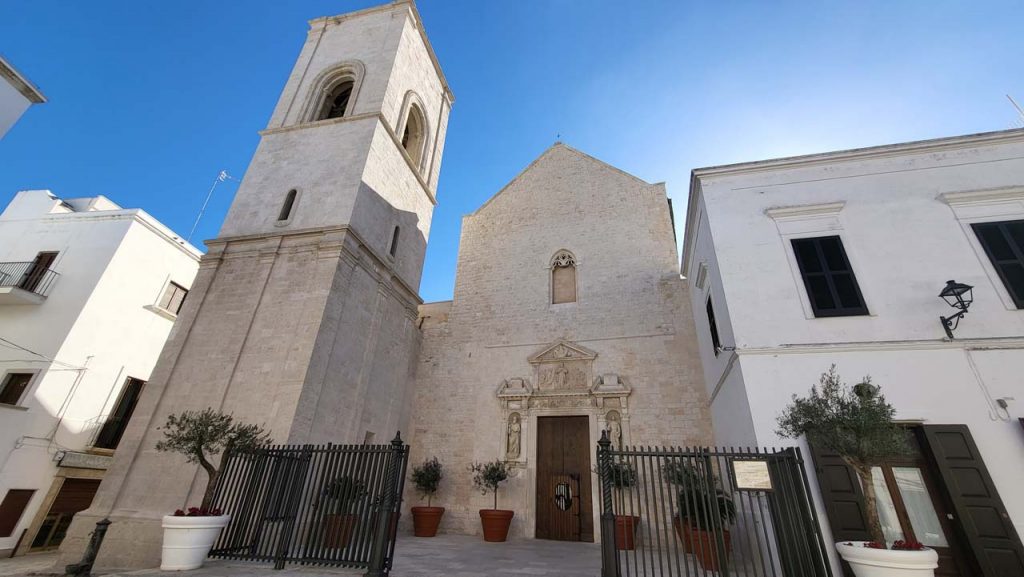
Consecrated in 1295 on the site of a pagan temple, this former cathedral features a Romanesque exterior and houses valuable Renaissance stone sculptures by Stefano da Putignano.

Inspect the Renaissance-era stone nativity scene inside the chapel.

Photography

What to See in Polignano a Mare for the Best Cliffside Photos

Belvedere su Lama Monachile

Belvedere su Lama Monachile

07:00–09:30 for soft light

Located along the ancient bridge, this stone balcony offers a direct, elevated view of the pebble beach below framed by the surrounding limestone cliffs. Position your camera to capture the sharp contrast between the whitewashed houses and the turquoise water.

Pietra Piatta

Pietra Piatta

07:00–09:30 for fewer crowds

Accessible via the Scalinata Volare staircase, this flat limestone ledge sits close to the water level just below the Domenico Modugno monument. It provides a wide, low-angle perspective looking up at the old town buildings clinging directly to the cliffs.

Grotta dell'Arcivescovado Viewpoint

Grotta dell'Arcivescovado Viewpoint

07:00–09:30 for quiet shooting

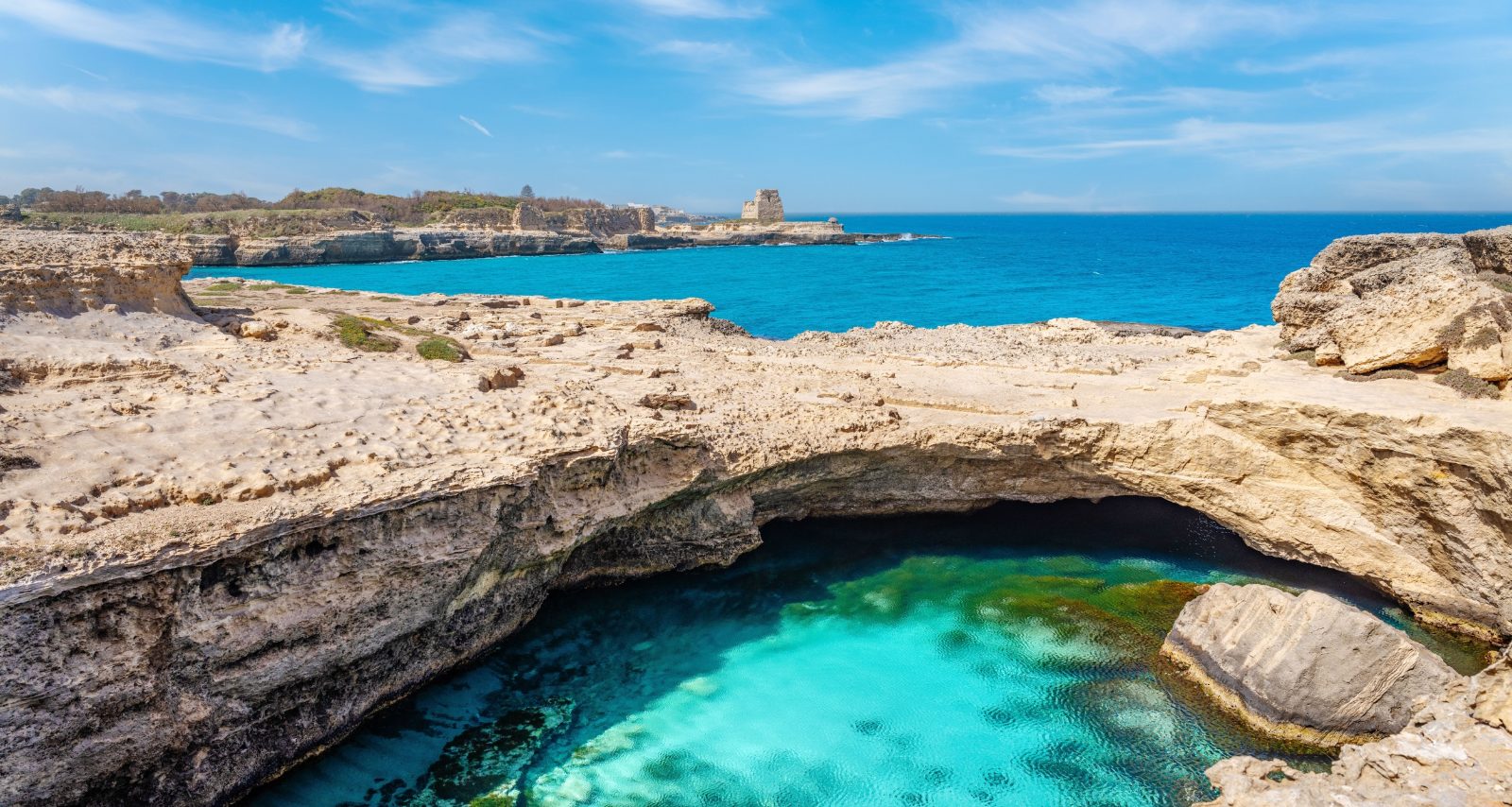
Tucked away on Vico Camelia, this quiet cliffside overlook looks directly down into a deep coastal gorge and the entrance of the natural cave below. Use the rustic stone railings to frame the clear sea water and jagged rock formations.

Belvedere Terrazza Santo Stefano

Belvedere Terrazza Santo Stefano

07:00–09:30 for optimal light

Situated at the end of Via Porto in the historic center, this popular open terrace provides a high-angle panorama of the central cove and the northern coastline. The stone parapet offers a steady base for capturing wide landscape shots.

Itinerary

What to See in Polignano a Mare: A Complete One-Day Route

This route suits first-time visitors on foot who want the town in a single unhurried day, roughly nine hours from arrival to dusk. The historic centre and seafront are free to enter and open around the clock, so the only real constraint is your own pace.

07:00

Arrive at the old town gate

Start inside the 07:00–09:30 arrival window, when light is best and lanes are still quiet. Allow 20 minutes to orient yourself before the first tour groups form.

07:30

Loop the whitewashed lanes

Walk the narrow streets of the centro storico in a slow circuit, reading the poetry lines painted on steps and doorways. Budget about 90 minutes and expect uneven stone underfoot.

09:30

Walk down to the shoreline

Descend from the centre to sea level and follow the water's edge. Around 45 minutes, though steps here get slippery when spray is blowing in.

11:00

Boat trip along the cliffs

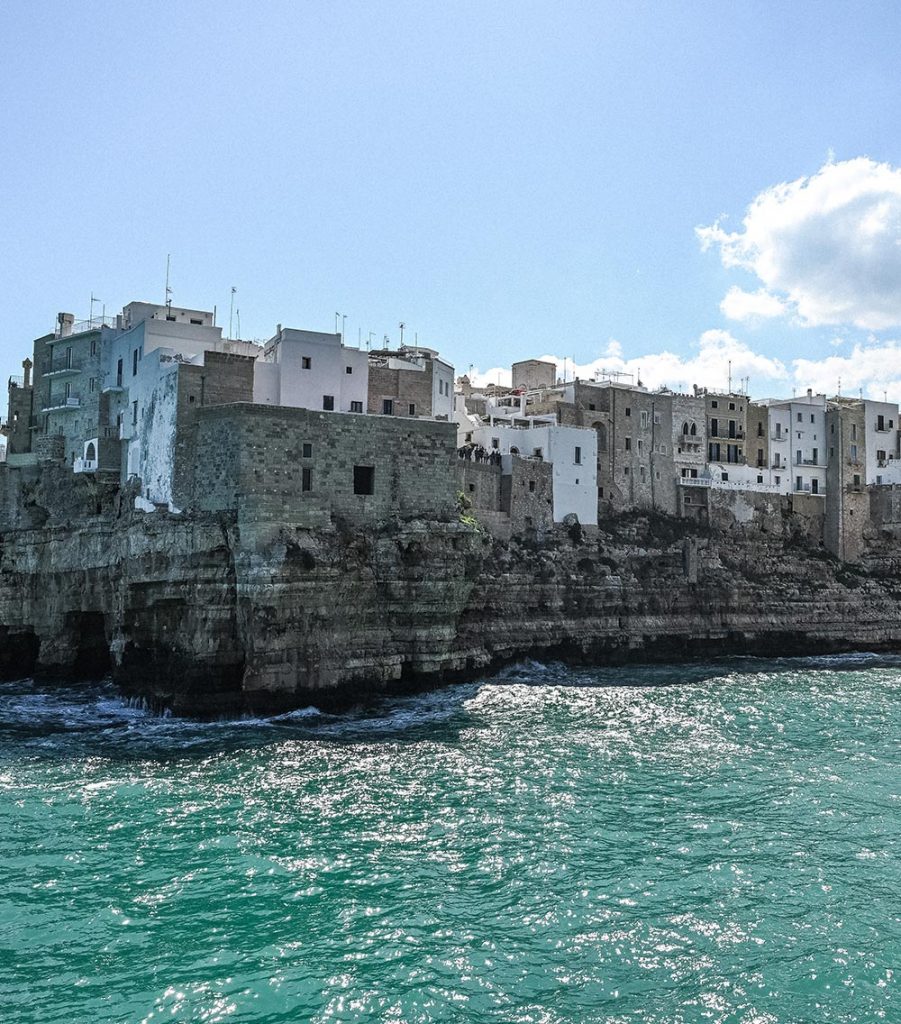
Sea caves are only visible from the water, so this is the part of the day worth reserving ahead through the booking pages. Sailings typically run an hour or two; check in early, as departures cluster around midday.

14:00

Rest through the hot hours

Shops shutter and the centre empties in early afternoon, so use the pause for shade and slower wandering. Two to three hours.

17:00

Second pass through the centre

Return to the lanes now that the light has softened and the day-trip coaches have thinned. About an hour, with far shorter waits at the viewing terraces.

19:00

Sunset walk on the lungomare

Follow the seafront promenade north for a level, unhurried stretch of roughly 40 minutes. The stone parapet gets busy at golden hour, so arrive a little before the sun drops.

20:30

Evening in the old town

The centre stays open with no closing time and no entry fee, so an after-dark loop costs nothing but the walk. Lighting is dim in places, so bring a phone torch for the steps.

Timing

The Best Time to See Polignano a Mare's Attractions

To experience the town with quiet alleys and soft lighting, visit during the shoulder seasons of late spring and early autumn, specifically between 07:00 and 09:30.

May to June

Moderate visitor levels

Mild, sunny, average 18°C to 25°C

Spring brings warm daylight and open establishments without the dense mid-summer occupancy. The sea begins warming up, making early swimming possible.

July to August

Peak density and heavy traffic

Hot, humid, highs up to 33°C

Summer temperatures are high and the town gets extremely busy. Plan coastal walks during early mornings or late evenings to avoid heat exhaustion.

September to October

Declining crowds and relaxed pace

Warm, averaging 18°C to 26°C

Autumn offers comfortable sea temperatures and fewer visitors. Daylight remains sufficient for exploring, and local shops remain open.

Weekday mornings

Minimal foot traffic

Arriving between 07:00 and 09:30 ensures empty viewpoints and soft photography lighting. The historic centre is quiet, allowing for relaxed exploration.

Verdict: The best time to visit is on a weekday morning between 07:00 and 09:30 in either May or September.

Directions

How to Reach and Navigate the Sights of Polignano a Mare

Located along the Adriatic coast in the Puglia region of Italy, the historic center of Polignano a Mare is easily reachable by Trenitalia regional rail lines or by driving along the coast. The town station sits just a ten-minute walk from the core pedestrian zone, making public transit highly convenient.

Train 30 min

Trenitalia Regionale from Bari Centrale to Polignano a Mare station

Train 5 min

Trenitalia Regionale from Monopoli to Polignano a Mare station

Car 35 min

SS16 highway from Bari, exiting at Polignano a Mare

On foot 10 min

Viale Trieste walking route to the historic center and seafront viewpoints

The old town is protected by a strict Limited Traffic Zone (ZTL) where unauthorized driving is prohibited. Drivers should leave their vehicles in the free public lot at Parcheggio Polignano Stazione on Viale Trieste or search for spaces along Via Marconi, then walk into the historic center. Plan your visit within the optimal arrival window of 07:00–09:30 to experience the area before daytime visitors crowd the narrow streets.

Food & drink

Culinary Highlights: What to Eat When Exploring the Town

Polignano a Mare offers a vibrant dining scene centered around fresh Adriatic seafood and traditional Puglian street food, though high-traffic cliffside venues come with premium pricing. Exploring the narrow streets of the historic centre yields local specialities at much more reasonable prices.

Grotta Palazzese

€€€€

restaurant

Located inside a natural sea cave along Via Narciso, this high-end restaurant offers a unique setting but charges steep premium prices starting around 190 EUR to 230 EUR per person. While the views are distinct, the culinary experience often prioritizes ambiance over traditional regional flavors.

The Super Mago del Gelo Mario Campanella

café

Situated at Piazza Giuseppe Garibaldi 22 near the historic gate, this historic bar is famous for inventing Caffè Speciale, a warm espresso drink flavored with lemon peel, almond liqueur, and cream.

La Rotellina

street

Located along Via San Vito, this simple eatery serves freshly fried panzerotti filled with classic tomato and mozzarella or local savory toppings. It is a budget-friendly alternative to formal sit-down dining.

Pescaria

€€

restaurant

Positioned at Piazza Aldo Moro 6/8, this popular fast-casual spot specializes in raw seafood, octopus salads, and signature fish burgers. Expect long queues during lunch hours due to its popularity.

Nearby

What to See in Polignano a Mare and Its Nearby Towns

Exploring the surrounding Adriatic coast and the Valle d’Itria adds cultural depth to your coastal stay. Several historic locations lie within a short drive or train journey, offering distinct architectural styles and quiet historic centers that complement a coastal visit.

Monopoli

Monopoli

15 min drive (or 5 min train)

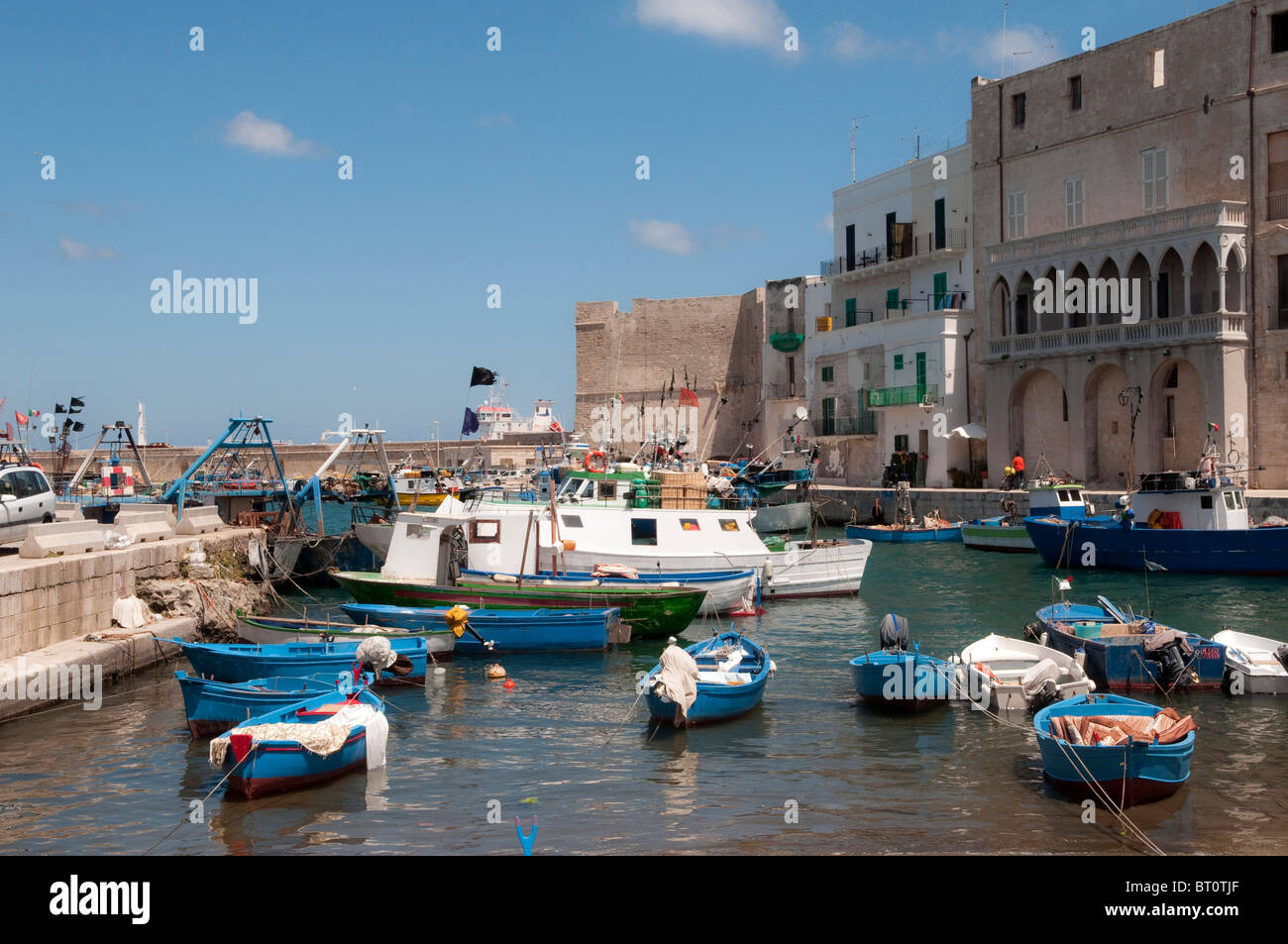
This historic fishing harbor features a fortified seafront wall, a grand baroque cathedral, and a labyrinth of whitewashed alleyways. It serves as a relaxed counterpart to Polignano and provides an authentic glimpse into local maritime traditions.

San Vito Abbey

San Vito Abbey

5 min drive

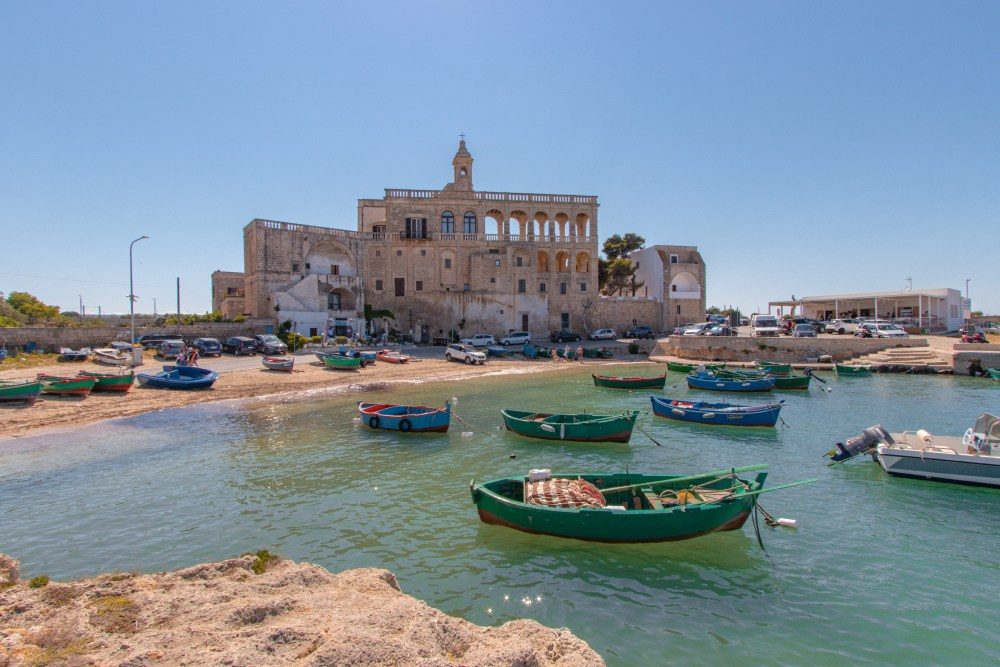
Situated just north of the town center, this 10th-century Benedictine monastery dominates a small, sheltered fishing cove. The massive stone complex stands directly at the water's edge, offering a quiet retreat from the busy town cliffs.

Alberobello

Alberobello

30 min drive

Located inland, this UNESCO World Heritage site is famous for its neighborhoods containing over a thousand white conical-roofed trulli. The unique dry-stone structures present a complete contrast to the coastal cliffs and showcase historic regional farming life.

Book

Check availability

Frequently asked

Frequently Asked Questions

Everything you need to know about what to see in polignano a mare

Keep reading

More guides & pages